


Understanding Sciatica and Its Symptoms
Sciatica refers to the pain that radiates along the path of the sciatic nerve, which runs down one or both legs from the lower back. This condition is often characterized by sharp, shooting pains, tingling sensations, or numbness, typically affecting only one side of the body. The symptoms can be exacerbated by prolonged sitting, standing, or certain movements, leading to significant discomfort and limited mobility. Many individuals experiencing sciatica also report muscle weakness in the affected leg or foot. This can hinder daily activities, making even simple tasks challenging. Understanding these symptoms is crucial for effective treatment, as it allows practitioners to tailor their approaches to relieve pain and restore functionality.
Benefits of Acupuncture in Sciatica Treatment
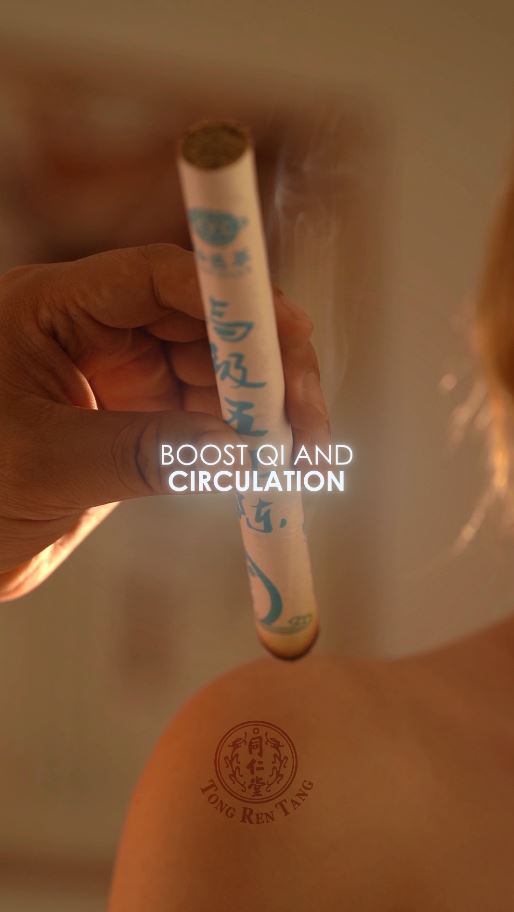
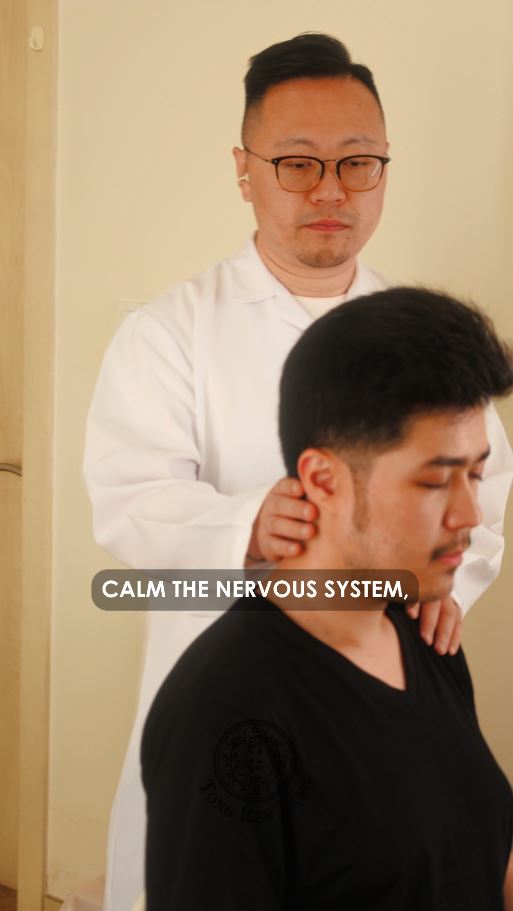
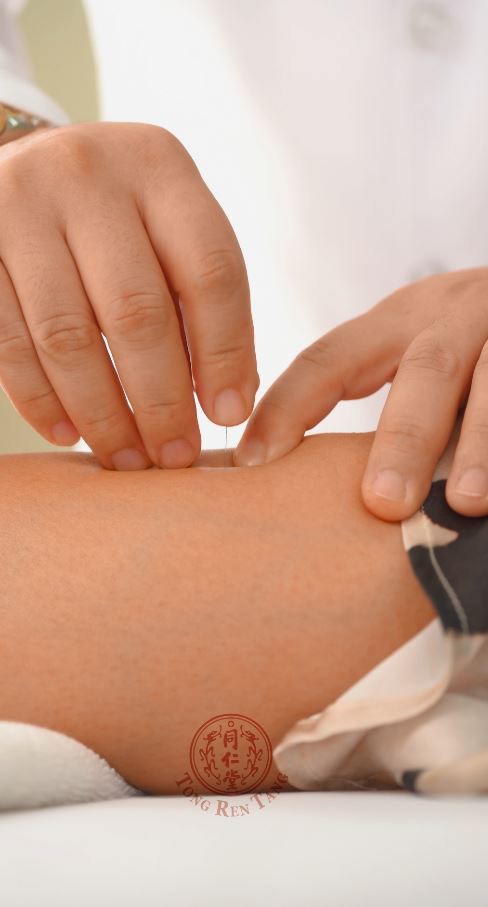
Acupuncture is an ancient Chinese medicine practice that involves inserting thin needles into specific points on the body. This technique aims to balance the body’s energy, or “Qi,” promoting natural healing processes. For those suffering from sciatica, acupuncture can provide significant relief by reducing inflammation and enhancing blood circulation around the affected areas. Research has shown that acupuncture can help alleviate pain and improve overall well-being. Many patients report a noticeable decrease in their symptoms after just a few sessions, making it a popular choice for those seeking non-invasive treatments. It is particularly effective when combined with other therapies, such as Tui Na, amplifying its benefits.
Tui Na: A Complementary Therapy
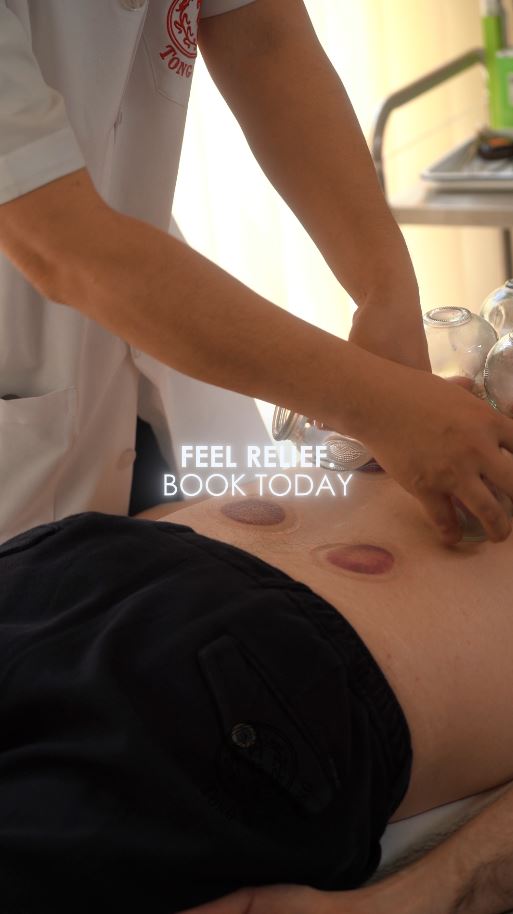
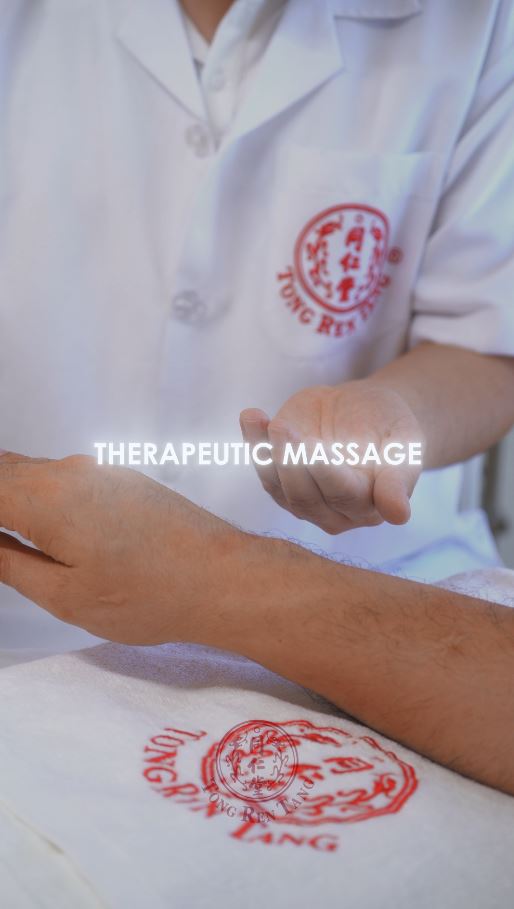
Tui Na is a form of therapeutic massage rooted in Traditional Chinese Medicine (TCM). It utilizes various techniques, including kneading, rolling, and pressing, to stimulate the body’s meridians and promote the flow of Qi. For sciatica patients, Tui Na can help reduce muscle tension, improve flexibility, and alleviate pain. The hands-on approach of Tui Na not only addresses physical symptoms but also encourages relaxation and stress relief. Patients often find that regular sessions enhance their overall quality of life. When used alongside acupuncture, Tui Na can create a powerful synergy, addressing both the symptoms and the underlying causes of sciatica.
Frequently Asked Questions (FAQ)
1. How many sessions of acupuncture are needed for sciatica relief? While some patients feel a reduction in pain after the first 1 or 2 sessions, a standard course of treatment usually involves 6 to 10 sessions. The exact number depends on whether the sciatica is acute or chronic and how the body responds to the combined approach of acupuncture and Tui Na.
2. Is the combination of Acupuncture and Tui Na safe for everyone? Yes, when performed by licensed practitioners, this combination is very safe. However, we always conduct a thorough initial consultation. It is important to inform your practitioner if you are pregnant, have a pacemaker, or are taking blood-thinning medications.
3. Does acupuncture for sciatica hurt? Most patients feel very little discomfort. Acupuncture needles are extremely thin—much thinner than medical needles used for injections. You may feel a slight tingling sensation or a dull ache (known as “De Qi”), which is a sign that the treatment is working to move blocked energy.
4. How does Tui Na massage differ from a regular relaxation massage? Unlike a spa massage intended for general relaxation, Tui Na is a medical therapy. It uses specific techniques like rolling, kneading, and acupressure to target deep muscle tissues and nerve pathways. For sciatica, it focuses specifically on releasing the tension in the piriformis muscle and lower back that may be compressing the sciatic nerve.
5. Can I combine TCM treatments with Western medical care for sciatica? Absolutely. Many of our patients at Beijing Tong Ren Tang use acupuncture and Tui Na as a complementary therapy alongside Western treatments like physical therapy or medication. It is a non-invasive way to manage pain and speed up the recovery process.
6. What should I do after my sciatica treatment session? We recommend staying hydrated, avoiding strenuous exercise for 24 hours, and keeping the treated area warm. Gentle walking can help maintain the improved blood circulation achieved during the session.
Ready to Restore Your Body’s Natural Balance?
Experience the healing power of 350 years of tradition at Beijing Tong Ren Tang Dubai. Our licensed TCM practitioners specialize in personalized treatments that address the root cause of your health concerns, not just the symptoms. Start your journey to holistic wellness today. Book your consultation: Visit www.trtgulf.com or call us at 800 826.